

Activity Details
Jungle Hiking: A Complete Guide
There are many variations of passages of Lorem Ipsum available, but the majority have suffered alteration in some form, by injected humour, or randomised words which don’t look even slightly believable. If you are going to use a passage of Lorem Ipsum, you need to be sure there isn’t anything embarrassing hidden in the middle of text.
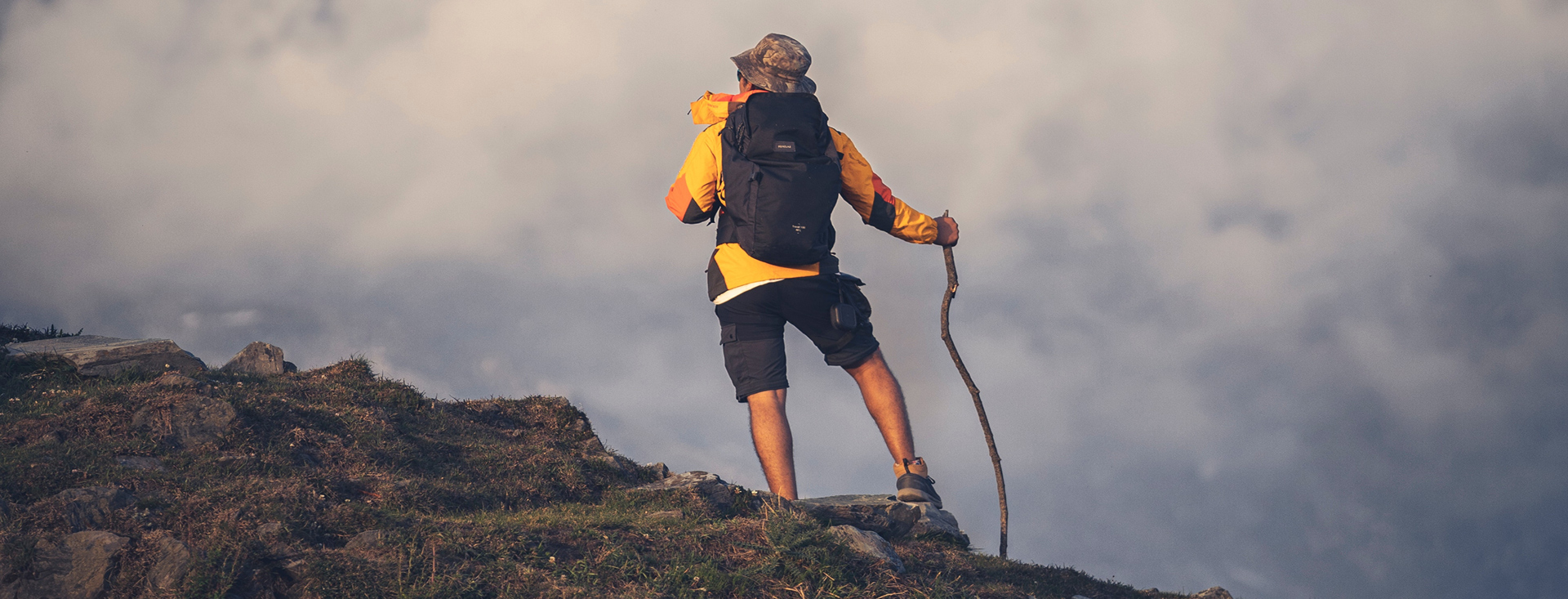
1. Planning Your Jungle Hike
Choosing a Jungle Destination
Jungle hikes are available worldwide, from the Amazon Rainforest to the Congo Basin, the jungles of Southeast Asia, and Central America’s rainforests. Select a location based on difficulty level, accessibility, and your experience.
Best Time to Go
- Rainy Season: More challenging but provides a more lush and vibrant environment
- Dry Season: Offers better trails and easier hiking conditions.
Permits & Regulations
- Some jungles require permits to enter (e.g., national parks).
- Guided hikes are often mandatory in wildlife-rich or protected areas.
Best Time to Go
- Rainy Season: More challenging but provides a more lush and vibrant environment
- Dry Season: Offers better trails and easier hiking conditions.
2. Essential Gear & Packing List
Clothing
- Lightweight, long-sleeved shirts & pants – Protects against insects and plants-
- Moisture-wicking base layer – Protects against insects and plants-
- Waterproof jacket or poncho – Protects against insects and plants-
- Sturdy hiking boots – Protects against insects and plants-
- Gaiters – Protects against insects and plants-
Backpack Essentials
- Water & Filtration System – Jungle water may not be safe; carry a water purifier or filter
- High-energy snacks & food – Jungle water may not be safe; carry a water purifier or filter
- First Aid Kit – Jungle water may not be safe; carry a water purifier or filter
- Navigation Tools – Jungle water may not be safe; carry a water purifier or filter
- Multi-tool or Knife – Jungle water may not be safe; carry a water purifier or filter
- Headlamp or Flashlight – Jungle water may not be safe; carry a water purifier or filter
- Insect Repellent – Jungle water may not be safe; carry a water purifier or filter
- Sunscreen & Hat – Jungle water may not be safe; carry a water purifier or filter
3. Safety & Survival Tips
Navigation & Trail Awareness
- Always stay on marked trails or follow a guide
- Use natural markers like unique trees or rock formations
- Carry a whistle and mirror for signaling in case of emergency
Wildlife Encounters
- Maintain a safe distance from animals
- Do not touch or eat unknown plants; some may be toxic
- If encountering snakes, remain calm and back away slowly
Dealing with Jungle Challenges
- Mud & Water Crossings – Use a walking stick for balance
- Leeches & Insects – Apply salt or insect repellent
- Heat & Humidity – Stay hydrated and take frequent breaks.
- Nighttime Risks – Avoid hiking in the dark; jungles come alive at night
4. Benefits of Jungle Hiking
- Physical Fitness – Improves stamina, endurance, and overall health
- Mental Well-being – Reduces stress and increases mindfulness
- Nature Connection – Witness exotic plants, waterfalls, and wildlife
- Adventure & Exploration – Every hike is a unique experience.
5. Recommended Jungle Hiking Destinations
- Amazon Rainforest, South America – The world’s largest jungle with diverse flora and fauna
- Daintree Rainforest, Australia – One of the oldest tropical rainforests
- Borneo Rainforest, Malaysia & Indonesia – Home to orangutans and unique biodiversity
- Monteverde Cloud Forest, Costa Rica – A misty jungle with hanging bridges
- Kinabalu National Park, Malaysia – A mix of jungle and mountainous terrain
Final Tips
- Go with an experienced guide if you’re new to jungle hiking.
- Inform someone about your hike and expected return time.
- Respect nature and leave no trace behind.
Information
Min Age
10 Year
Duration
3 Hours
Max People
30
Weight Range
70-270 LBS
Price from
$30/person
Contact us
You May Also Like
01 Wild Life
02 Tree Top Challenge
03 Cave Exploration